
Moving has a way of reminding you just how much stuff you've accumulated over the years. Things that have been sitting in cupboards, spare bedrooms and garages suddenly need to be sorted, packed, lifted and transported, even if you haven't used them in ages.
If you're preparing to move in Eugene or Medford, decluttering before moving day can make the entire process easier. You'll have fewer belongings to organize, fewer boxes to prepare and less unnecessary furniture to transport into your new home.
At Skinny Wimp Moving, our goal is to make moving as straightforward as possible. Getting organized before the crew arrives is an important part of that process, particularly when you're paying for a service where the amount of work influences how long the move takes.
When Should You Start Decluttering Before Moving?
Ideally, decluttering should begin several weeks before your scheduled move rather than during the final few days. Sorting through belongings takes time, particularly when you need to arrange donations, sell unwanted furniture or decide what to do with items that have sentimental value.
Start with rooms and storage areas you don't use regularly, since you can usually work through those spaces without disrupting your everyday routine. Garages, spare bedrooms, storage cupboards and seasonal decorations are often practical places to begin.
Leave essential areas such as the kitchen and main bathroom until later, but don't wait until the final evening to start making decisions. Spreading the work across several weeks allows you to be more selective instead of packing everything simply because you've run out of time.
If you've already booked your Eugene or Medford move, use that date to establish a realistic decluttering schedule. Your goal should be to finish sorting unwanted belongings before the serious packing begins.
Decide What to Keep, Sell, Donate or Store
Decluttering is easier when you establish a few clear categories before opening the first cupboard. Instead of moving belongings from one pile to another, give each item a specific destination as you work through the house.
A practical approach is to organize your belongings into four groups:
Keep items that you regularly use, genuinely value or know will have a place in your new home.
Sell furniture, electronics and other belongings that are still valuable but no longer needed.
Donate usable clothing, household items and furniture that somebody else could benefit from.
Store belongings that you need to keep but don't currently have room for.
Broken, unusable or unsuitable items may require recycling or appropriate disposal rather than donation. Check local acceptance requirements in Eugene or Medford before dropping anything off, particularly when dealing with electronics, appliances or other materials requiring special handling.
Try to make a final decision about each item rather than creating a large collection of things you'll reconsider later. The more belongings you leave undecided, the more likely you are to end up packing things you never intended to keep.
Start With the Garage and Storage Areas
Garages and storage spaces often contain belongings that haven't been used in years, making them useful places to begin. However, they're also easy to underestimate because tools, sports equipment, outdoor furniture and miscellaneous household items can occupy considerably more space than expected.
Take everything out in manageable sections instead of emptying the entire garage at once. Sort items into categories, identify anything that needs special disposal and make decisions about equipment that no longer serves a purpose.
If you're moving from one house to another in Eugene or Medford, consider the storage arrangements at your destination. A new home with a smaller garage or limited outdoor storage may not accommodate everything currently sitting in your existing property.
Finishing these areas early also prevents unpleasant surprises when you're calculating how much needs to be loaded onto the moving truck. It's much better to discover several large unwanted items before moving day than after the crew has already arrived.
Declutter Your Kitchen Before Packing
Kitchens contain an enormous number of small items, and packing them can take longer than expected. Cupboards gradually collect duplicate utensils, unused appliances, mismatched containers and dishes that rarely make it onto the table.
Work through one cupboard or drawer at a time, setting aside anything that's broken, duplicated or unlikely to be used in your new home. If you're moving into a property with a smaller kitchen, pay particular attention to bulky appliances and oversized cookware.
Check pantry items as well, especially anything approaching its expiration date or unlikely to be consumed before moving day. Avoid packing unnecessary food, opened containers that may leak or products that your moving company cannot transport.
Once you've finished decluttering, organize the remaining items into groups that will make packing easier. Skinny Wimp offers packing services in Eugene and Medford, so you can arrange assistance if you'd rather have the kitchen professionally packed.
Sort Through Bedrooms and Closets
Bedrooms and closets can be surprisingly time-consuming because clothing, personal belongings and sentimental items often require individual decisions. It's tempting to put everything into bags and deal with it after moving, but that simply transfers the problem to your new home.
Start with clothing you haven't worn recently, items that no longer fit and accessories you know you don't need. Seasonal clothing can be sorted separately, particularly if you'll be moving during a different time of year.
Use the same approach with spare bedding, linens and bedroom furniture. If your new property has fewer bedrooms or limited closet space, consider whether you genuinely need every existing piece of furniture.
Sentimental belongings deserve their own category rather than being mixed into ordinary donation piles. Give yourself enough time to sort through photographs, family keepsakes and other meaningful items without making rushed decisions.
What Should You Do With Unwanted Furniture?
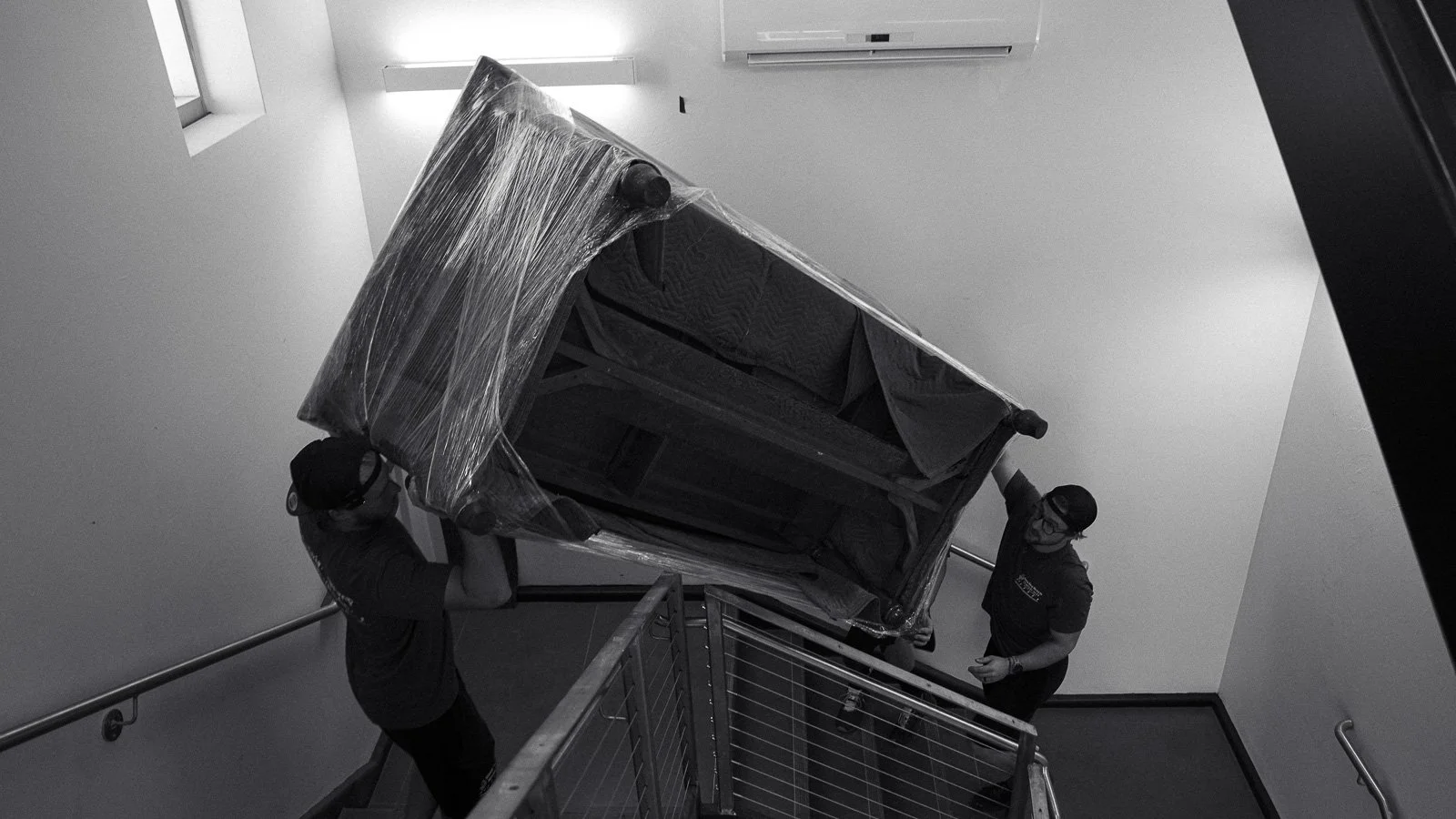
Large furniture is worth dealing with early because it requires more planning than a bag of unwanted clothing. A couch, dining table or bedroom set that isn't coming with you may need to be sold, collected, donated or disposed of before the moving truck arrives.
Check the measurements and layout of your new home before deciding which larger pieces to keep. Furniture that fits comfortably in your current property may be awkward or impractical in a different floor plan, particularly if you're downsizing.
If you're selling furniture, allow enough time for buyers to arrange collection and be realistic about items that may be difficult to sell. Having a backup plan prevents unwanted furniture from remaining in the property when you're supposed to be handing over the keys.
Separate everything that's staying behind from the belongings intended for the moving truck. Clearly identifying unwanted furniture reduces confusion and helps the moving crew work efficiently.
Where Can You Donate Unwanted Belongings in Eugene or Medford?
Donating usable belongings can be a practical way to reduce the amount you're moving while giving items another purpose. Local thrift stores, community organizations and charitable donation programs may accept clothing, household goods, books and selected furniture, depending on their current requirements.
Before arranging donations, check what the organization accepts and whether an appointment or scheduled collection is necessary. Not every organization can accept large furniture, damaged items or electrical equipment, so confirming those details prevents unnecessary trips.
If you have several boxes of donations, try to arrange drop-off or collection well before your moving date. Leaving everything until the final weekend can create additional work at exactly the point when you need to concentrate on packing.
For larger items, consider whether collection is available or whether you'll need access to a suitable vehicle. Making those arrangements ahead of time keeps unwanted belongings from becoming another last-minute moving problem.
Should You Rent Storage Instead of Getting Rid of Everything?
Decluttering doesn't necessarily mean permanently parting with everything that won't fit into your new property. If you're moving into temporary accommodation, downsizing or waiting for a renovation to finish, some belongings may be worth storing until you have more space.
However, storage works best when you have a clear reason for keeping something and a realistic idea of when you'll need it again. Moving boxes of unwanted belongings into storage without making any decisions can simply postpone the same problem.
Skinny Wimp offers climate-controlled storage in Eugene and Medford, with stationary storage spaces measuring 8×7×7 feet. These spaces are currently advertised at $80 per month, with flexible short-term and longer-term arrangements available.
If your move involves a gap between properties or you need extra time to organize certain belongings, storage may make the transition easier. Discuss your requirements before moving day so transportation and storage can be coordinated where appropriate.
How Does Decluttering Affect Your Moving Costs?
Decluttering can help reduce the amount of work involved in a move, particularly when you eliminate bulky furniture or a substantial number of boxes. However, the financial benefit depends on how your move is priced and how much time or transportation capacity you actually save.
For local moves in Eugene and Medford, Skinny Wimp's published pricing is based on hourly service. Reducing the number of belongings that need to be carried can potentially shorten loading and unloading, although access, distance and other circumstances still influence the final bill.
This doesn't mean donating a few shirts will dramatically change your moving costs. The more significant opportunities usually involve removing larger items, clearing out substantial storage areas and ensuring the belongings you're keeping are ready for transport.
If you're trying to estimate your moving budget, review the published Eugene moving rates or Medford moving rates. You can then discuss your inventory and moving arrangements with the team rather than relying on a generic estimate.
What Should You Avoid Decluttering?
Not everything that looks unnecessary should be discarded simply because you're moving. Important documents, financial records, family photographs and items with genuine sentimental value deserve more careful consideration.
Be particularly cautious with paperwork because replacing certain records can be difficult or inconvenient. Keep essential documents together and transport them personally rather than mixing them into boxes of ordinary household belongings.
You should also avoid making hasty decisions about items belonging to other household members. If you're moving with a partner, children or roommates, establish which belongings need a shared decision before anything is sold or donated.
The purpose of decluttering is to remove things that no longer serve you, not to create unnecessary regret. Starting early allows you to make thoughtful decisions without working against an approaching moving deadline.
Finish Decluttering Before You Start Serious Packing
Once you've completed the main decluttering process, packing becomes significantly more straightforward. Instead of handling every item several times, you can organize the belongings you're keeping and begin preparing them for transportation.
Label boxes according to the rooms they'll occupy in your new home, and avoid mixing unrelated items simply because they fit together. Keep essentials separate, identify fragile belongings and make sure furniture requiring special handling has been discussed with your moving company.
If you're hiring Skinny Wimp, aim to have your belongings properly organized before the crew arrives unless you've arranged professional packing as part of your service. Clear access, labelled boxes and an accurate inventory all help make moving day more manageable.
Make Your Next Move Easier With Skinny Wimp
Decluttering before moving gives you an opportunity to start fresh without transporting everything you've accumulated over the years. Whether you're moving between apartments in Eugene, relocating to a new house in Medford or preparing for a longer-distance move, reducing unnecessary belongings makes packing and organization easier.
Skinny Wimp Moving provides residential moving, professional packing, labor-only assistance and storage through its Eugene and Medford locations. Once you've decided what you're keeping and have a clearer picture of what needs to be moved, contact Skinny Wimp Moving to discuss your moving arrangements